The Question Every Bergen County Condo Owner Should Ask Their HOA This Month
Housing Market Stacy Esser featuring Christopher Sapienza November 2, 2026
Housing Market Stacy Esser featuring Christopher Sapienza November 2, 2026
I sat down with Chris Sapienza, who works the condo market for our team in Hackensack, North Bergen, Fort Lee and Edgewater, to get the part of the condo story the numbers don't show. In my last post I said the building, not the unit, now decides who can buy. Here is what that looks like on the ground. Lightly edited.
Stacy: What is the biggest challenge the condo market is facing right now?
Chris: The rules for conventional financing got much stricter. Fannie Mae and Freddie Mac now require more from the building itself before they will back a mortgage on a unit in it. To stay approved, a building needs a current engineering report, a current reserve study, and enough money in reserves to cover what those reports say is coming. Most buildings never ran that way. They collected enough in dues to pay this year's bills and that was it. There was no savings plan for the roof, the elevators, the garage or the facade. Now those things are aging, the state is requiring the reports, and the reports show repairs that are too big for a building with no reserves. That is what knocks a building out of approval.
Stacy: Why now?
Chris: Two things landed at once. New Jersey passed its Structural Integrity Law after Surfside. Concrete, masonry and steel condo buildings 15 years or older had to get an engineer's inspection by January of this year, and every association had to complete a reserve study with a funding plan. Then Fannie Mae and Freddie Mac tightened their own reviews. A lot of the river-view buildings in Fort Lee and Edgewater were built in the 1970s. Some of them are working off engineering reports that are 10 or 15 years old.
Stacy: Are the buildings equipped to handle this? Are the boards and the management companies on top of it?
Chris: The management companies had at least two years' notice and most were slow to react. Now that the rules are in effect, you have a lot of property managers racing with their boards to catch up. The problem is that catching up is not the same as staying approved. If the reports show deferred repairs and the reserves are not there, the building loses its status with Fannie and Freddie. We are seeing that in Bergen County, specifically in Fort Lee, Hackensack and Edgewater, the towns with the biggest concentration of units.
Stacy: What happens to a seller in a building that loses approval?
Chris: The buyer pool shrinks to two kinds of people: cash buyers, and buyers who can get a non-conventional loan from a private lender. Cash buyers in the condo market have gotten a lot scarcer. And a private lender's rate runs one to two points above the going rate. If a conventional loan is around 7.25%, that buyer is looking at something over 9%. At 9% the payment doesn't work for most people, so the unit sits.
Stacy: Give me the math on one of yours.
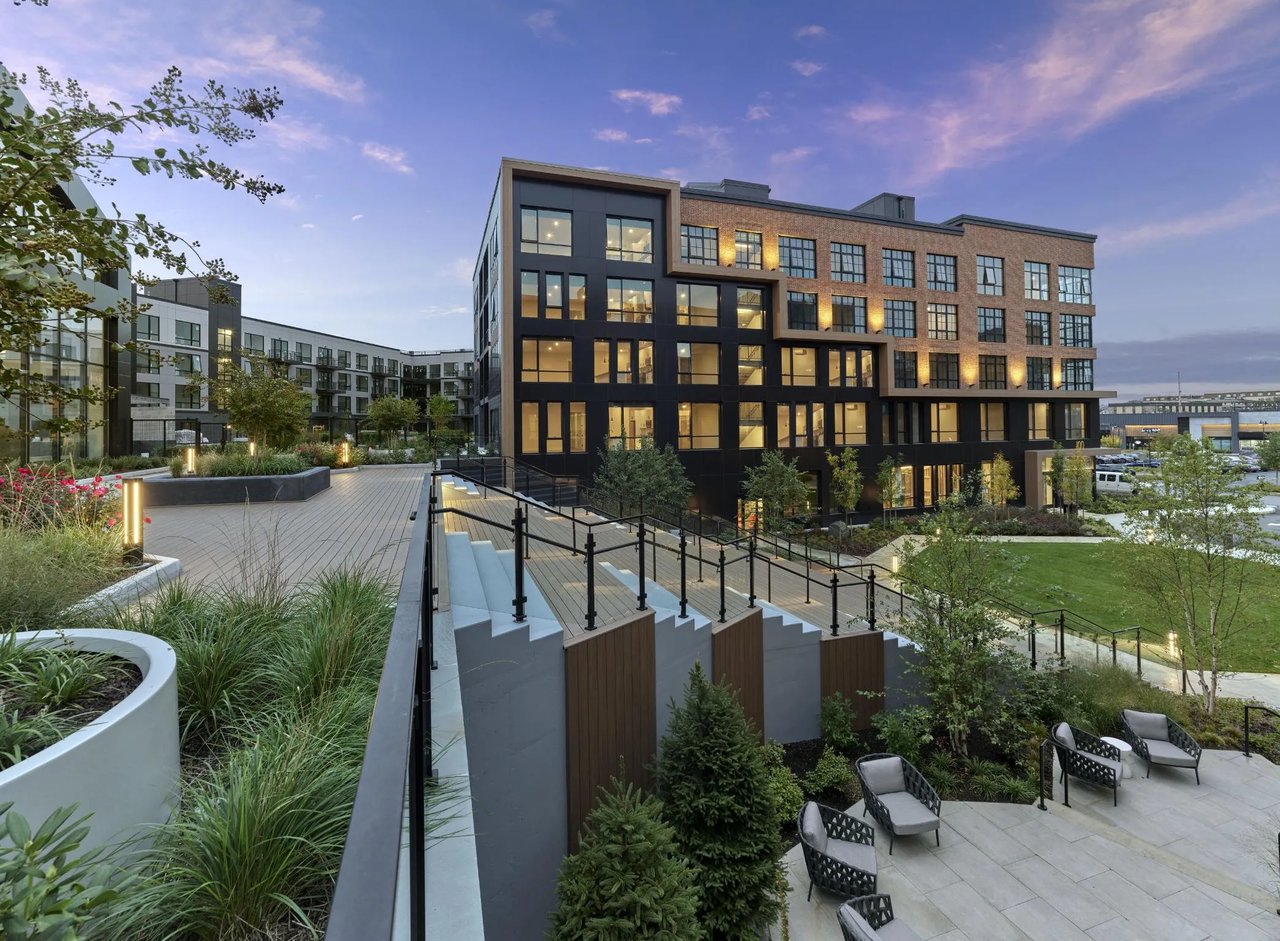
Chris: I have a listing in North Bergen in a beautiful building. The building is actually compliant. But to get compliant, the association had to raise the HOA fees significantly. We listed at $489,000. I was finally able to get her a cash offer at $445,000. That is $44,000 off, about 9%. Nothing about the apartment changed. The monthly cost of owning it did, and the buyer pool shrank to cash.
Stacy: I'm seeing far fewer people show up to look at condos than houses. One of my sellers asked me why. My read is that buyers are nervous about the health of the building itself, and that's part of why condos haven't appreciated anywhere near the way houses have.
Chris: That's part of it. The other part is that the market, and agents, are compounding it. In a building with these problems, the only way to attract a buyer is to lower the price. Once a few units sell low, those become the comps, and the comps drag the value of every other unit in the building down with them. It becomes a self-fulfilling prophecy. The building's paperwork problem turns into a price problem for everyone who lives there, including the owners who did nothing wrong.
Stacy: So what should a condo owner do? Not a buyer or a seller, just someone who lives in one.
Chris: Go to your HOA meetings. Attendance is notoriously low, and that means most people in the building are assuming the board has it handled. Then ask for three things: the current engineering report, the current reserve study, and the reserve balance. Find out where the building stands on the repairs those reports call for, and whether the dues are actually putting money into reserves. Lenders now want to see about 15% of the budget going to reserves. If those reports don't exist, or you ask and nobody at the meeting knows what you're talking about, those are red flags, and they are red flags about your equity, not just the building.
Stacy: Can you shortcut it and just ask the property manager, "Are we Fannie Mae approved?"
Chris: You can, but approval is changing fast enough right now that yesterday's yes doesn't tell you much. The smarter question is: do we have a current reserve study and a current engineering report, and can I have a copy of each? If the answer is yes and the copies show up, you're in good shape. If the answer is a pause, that's your answer.
Stacy: And if you're selling?
Chris: Get the building file before you get the comps. Engineering report, reserve study, budget, insurance, delinquencies, pending assessments, the lender questionnaire. If the building can't pass review, you need to know that before you price, not in week three when the buyer's lender walks.
If you own a condo in Bergen County and want to know where your building stands, call or text me at 201.292.0011. Chris and I can pull what sold in your building this year, what expired, and what a lender is going to ask for.
Chris's figures on private-lender rates and the Hackensack listing are from his own transactions. NJ Structural Integrity Law: P.L. 2023, c.214, as amended by P.L. 2025, c.132 (NJ DCA FAQ). Fannie Mae condo review changes: Lender Letter LL-2026-03.
Stay up to date on the latest real estate trends.
Housing Market
Stacy Esser, with Chris Sapienza of the Stacy Esser Group

2026 Market Update
A Deeper Dive Into the Stats

With this level of growth, it's no surprise that months of supply are at historic lows.
Housing Market



SEG is a high performing Bergen County luxury real estate team that blends relationship driven service, cutting edge marketing, and strategic negotiation to consistently outperform traditional agents.